Norweco Singulair Green Maintenance Myths and Facts

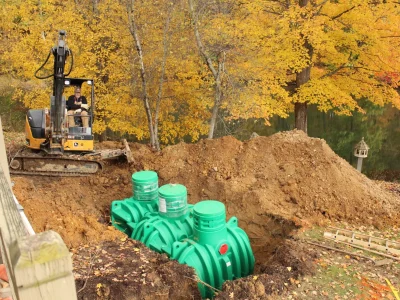
People tend to talk about onsite wastewater systems in two extreme ways. Either they treat them like fragile machines that demand constant fussing, or they assume they are buried magic and never need attention at all. The truth sits in the middle, and that is especially true with the norweco singulair green. It is a capable residential wastewater treatment system, but it still depends on sensible operation, regular service, and a basic understanding of what helps it work well.
I have seen the same misunderstandings repeat themselves with homeowners, property managers, and even contractors who do not specialize in treatment units. A system runs quietly for a while, so everyone assumes it is self-managing. Then an alarm sounds, odors appear, or effluent quality drops, and suddenly the owner is convinced the unit is defective. In many cases, the problem is not a bad system. It is a maintenance myth that got accepted as fact.
What follows is a practical look at the most common claims surrounding upkeep, service intervals, chemicals, alarms, pumping, and winter performance. Some of these myths start with a grain of truth. That is what makes them persistent. But when you work around these units long enough, patterns become easy to spot.
Why the maintenance conversation gets muddled
The norweco singulair green is often grouped into a broad category people call an aerobic septic system. That shorthand is not totally wrong, but it leads to oversimplified advice. Owners hear recommendations meant for a conventional septic tank, a completely different aerobic treatment unit, or even a small commercial package plant, then try to apply all of it to one residential setup.
Another source of confusion is visibility. Most of the important treatment activity happens out of sight. The homeowner sees lids, maybe an alarm, perhaps a control center, and little else. If the yard looks normal and plumbing still drains, it is easy to believe everything below grade is fine. Wastewater systems are good at hiding small problems until they are no longer small.
Service companies also vary. Some provide thorough inspections with notes on aeration, sludge levels, media condition, and discharge quality. Others do the bare minimum. When owners get inconsistent explanations from one visit to the next, myths fill the gaps.
Myth: if it is running, it does not need maintenance
This is the most expensive misconception I encounter.
A Singulair-type treatment system can continue operating while performance is already slipping. Air delivery can weaken. Solids can build beyond a healthy range. Filters and components can foul. The disinfection stage, if present in the configuration, can be neglected. By the time a homeowner notices slow drains or strong odors, the system has usually been drifting off target for a while.
Mechanical wastewater systems age in gradual ways. A motor does not always fail dramatically. Sometimes output declines first. Biological treatment also changes gradually. If too many solids move where they should not, or if the microbial balance gets hit by harsh chemicals or irregular loading, the system may still process wastewater, just not as effectively.
Routine inspection is not about assuming failure. It is about catching ordinary wear and predictable buildup before they cause expensive consequences. In practical terms, that can mean the difference between a straightforward service call and a chain of problems involving alarms, backups, poor effluent, and field stress.
Fact: regular service is part of the design reality
Every advanced onsite treatment unit relies on some level of maintenance. That is not a flaw. It is the trade-off for getting better treatment from a compact residential footprint.
A conventional septic tank is simpler, but simpler does not mean better for every site. Challenging soils, high groundwater, small lots, environmental sensitivity, or permitting requirements often make advanced treatment the right choice. The norweco singulair green is designed for those situations, but owners need to respect the service side of the equation.
What counts as regular service depends on local regulations, household use, and installer guidance. In many places, an inspection schedule is required by permit or service contract. In real life, the right interval is not just a regulatory checkbox. A retired couple in a two-bedroom home produces a different wastewater pattern than a family of five with frequent guests, two teens taking long showers, and a laundry room that never rests.
A good technician looks at trends, not just one visit. Sludge accumulation, component wear, aerator performance, and signs of hydraulic overloading tell a more useful story over time than a quick glance ever will.
Myth: pumping every year is always necessary
This one comes from good intentions, but it gets oversold.
Some owners are told they should pump the system every year no matter what. Others hear the opposite and assume pumping is almost never needed. Neither rule is reliable. Pumping should be based on actual solids accumulation and system condition, not on a slogan.
Advanced treatment units still collect solids. Even with effective biological action, there is no version of residential wastewater treatment that makes sludge disappear forever. At the same time, pumping too often can be wasteful and unnecessary. It can also disrupt the normal treatment environment if done without reason.
In the field, pumping intervals vary a lot. Household size, garbage disposal use, grease habits, occupancy swings, and service quality all matter. A vacation property with intermittent use may go much longer between pump-outs than a full-time home with heavy loading. A house with frequent bleach-heavy cleaning, disposable wipes flushed despite warnings, and constant food waste into the sink may need attention sooner than expected.
The sound practice is simple: inspect solids and decide based on condition. That is maintenance rooted in observation, not folklore.
Fact: what you flush matters more than marketing claims
I have heard homeowners say, with complete sincerity, that a system was sold to them as powerful enough to handle “anything.” No residential wastewater unit should be treated that way.
The norweco singulair green performs best when the incoming waste stream is ordinary domestic wastewater, not a chemistry experiment. Biological treatment depends on living organisms doing steady work. Sudden surges of disinfectants, solvents, paint residues, oils, or non-biodegradable materials can upset that process.
The biggest offenders are often ordinary household habits rather than dramatic abuse. “Flushable” wipes remain a recurring problem. So do excessive grease, antibacterial products used as if more is always better, and cleaning products dumped in concentrated amounts. I once looked at a residential system after repeated service issues and found the owner had been sanitizing every drain weekly with strong chemical products because she thought that would “help keep the tank clean.” It was a tidy house, but not a healthy environment for treatment biology.
Homeowners usually do best when they keep the rules plain:
- Flush only normal wastewater and toilet paper.
- Keep wipes, grease, oils, solvents, and medications out of the system.
- Spread laundry loads through the week instead of stacking them into one heavy day.
- Use household cleaners in ordinary amounts, not concentrated dumps.
- Ask before adding any septic additive or treatment product.
That short list prevents a surprising number of avoidable service calls.
Myth: septic additives will reduce or replace maintenance
This idea survives because additive marketing is persuasive. Bottles promise stronger bacteria, less pumping, cleaner tanks, fewer odors, and better flow. It sounds efficient. It rarely delivers what owners imagine.
A properly functioning treatment unit already supports biological activity. It does not need mystery powders or miracle liquids to become “alive.” In some cases, additives do little at all beyond lightening a wallet. In other cases, they create new trouble by breaking solids into forms that move where they should not, or by altering the treatment balance in unhelpful ways.
Could a specific product have a limited, targeted use in a specific problem? Perhaps, under professional guidance and with full understanding of the system. But the broad consumer claim that additives replace inspection, pumping, or mechanical service does not hold up in practice.
When an owner tells me they have been adding product every month because someone said it would eliminate future pumping, I already know we are dealing with wishful maintenance. Solids still accumulate. Components still wear. Alarms still matter. Biology still needs reasonable conditions, not gimmicks.
Fact: alarms are not suggestions
One of the costliest homeowner habits is silencing or ignoring an alarm because “everything still seems to be working.” Wastewater systems are unforgiving about delayed attention. The visible symptom often lags behind the actual problem.
An alarm can point to several issues, depending on configuration. It may indicate a power problem, a mechanical fault, abnormal liquid level, or trouble in a pumping or control component. What matters is that the alarm exists to give you a chance to intervene early.
I once visited a property where the owner had lived with an alarm for nearly three weeks because guests were coming and he did not want to “open that can of worms” right before a family event. By the time service happened, what might have been a manageable repair had turned into a more involved cleanup with extra labor, stressed components, and a very unhappy household.
If an alarm sounds, the first response should be calm, not panic, but it should never be indifference. Reduce water use if recommended, check for obvious power issues if you know how, and call the service provider. Systems usually get more expensive when owners wait for proof they can smell.
Myth: odors always mean the unit is failing
Odors deserve attention, but they do not always mean the entire system is compromised. Wastewater treatment has a smell profile, and certain short-term conditions can norweco singulair green create odors without indicating total failure. The challenge is knowing the difference.
A persistent sewage odor near the house, tank, discharge point, or treatment components is not normal and should not be ignored. But intermittent odor can arise from venting issues, unusual weather patterns, temporary overload, disturbed lids, dried plumbing traps, or maintenance activities. I have seen owners blame the treatment unit when the actual problem was a plumbing vent issue inside the house envelope. I have also seen odor complaints tied to a lid that was not reseated properly after service.
The key is pattern. Strong, recurring, or worsening odors suggest an operating problem worth diagnosing. A one-time odor after a major holiday gathering, combined with high water use and back-to-back laundry, tells a different story than a month of persistent smell in mild weather.
Odor should trigger investigation, not assumptions.
Fact: water habits shape system health
Mechanical components matter, but hydraulic loading often drives maintenance outcomes just as much. When a home dumps too much water too quickly into the system, treatment quality suffers. Solids can carry over more easily. Pumps can cycle differently than intended. The biological process gets less stable.
This is one of those areas where homeowners underestimate their own influence. They think maintenance is solely what the technician does during a scheduled visit. In reality, everyday water use patterns are part of maintenance.
The effect is easy to picture. A family that spaces loads of laundry, fixes a running toilet promptly, and uses standard plumbing fixtures gives the system a more consistent flow. A family with a leaking flapper, marathon laundry on Saturdays, long shower sequences for six people, and periodic houseguests creates heavier peaks. Both homes may have the same floor plan, but their service needs can look very different after a year.
If a system seems to struggle despite proper professional service, water use is one of the first areas worth reviewing. Not because owners are being blamed, but because the system responds norweco singulair green directly to volume and timing.
Myth: winter eliminates the need to think about the system
Cold weather changes maintenance concerns. It does not erase them.
In colder regions, people sometimes assume the ground cover and reduced outdoor activity mean the system can simply wait until spring. Yet winter can expose weak spots. Irregular occupancy, compacted snow over components, traffic over treatment areas, and plumbing leaks that run continuously in freezing conditions can all create trouble.
A healthy operating system usually generates enough warmth through biological activity and water movement to resist normal seasonal cold, especially when installed and covered properly. The risk rises when homes sit vacant, when insulation conditions are poor, or when lids and covers are disturbed. One common mistake is clearing snow aggressively from above system components. That removes insulating cover and can make freezing more likely, not less.
Winter service also requires judgment. A technician may adapt procedures depending on access, temperature, and site safety. What should not change is the principle that alarms, unusual odors, or clear signs of trouble still need prompt response even in harsh weather.
Fact: not every service company inspects the same way
This matters more than most owners realize. Two companies can both say they “checked the system,” yet the quality of that check may differ widely.
A serious maintenance visit goes beyond opening a lid and leaving a sticker. It should consider component function, solids condition, biological treatment performance indicators, possible carryover, controls, and signs of hydraulic or mechanical stress. The details vary by configuration and local requirements, but the point is the same: meaningful service is observational and diagnostic, not ceremonial.
If you are not sure whether your provider is being thorough, ask what they routinely evaluate and what trends they track over time. Good technicians usually do not mind that question. They can explain what normal looks like and what would justify pumping, repair, or closer monitoring.
Owners are often surprised to learn how much can be inferred from small clues. Foam characteristics, sludge depth, scum condition, aeration response, unusual staining, or pump cycling behavior can all point toward the next problem before the next problem fully arrives.
Where myths and facts matter most in real homes
The households that struggle most are rarely the ones with the oldest systems. They are the ones where assumptions go unchallenged. A newer installation can develop avoidable issues quickly if the owner believes no service is needed, treats the unit like a trash can with plumbing attached, and dismisses alarms as minor annoyances. An older system, by contrast, often performs steadily for years when the owner understands how to live with it.
There is also a money angle people do not like to discuss until after the fact. Preventive service feels optional because it is planned. Repairs feel urgent because they are visible. Human nature leans toward postponing what can be postponed. But wastewater systems punish that instinct. The cheapest maintenance is usually the maintenance done before symptoms spread.
A practical owner does not need to become a treatment expert. They only need to understand the core relationship: the norweco singulair green will usually reward steady habits and timely service, and it will usually expose neglect sooner or later.
Signs that deserve a closer look
Some warning signs are obvious. Others are easy to rationalize. These are the ones I would take seriously sooner rather than later:
- A persistent alarm, even if plumbing still appears normal.
- Sewage odors that repeat or intensify around the unit or discharge area.
- Wet spots, unusually lush growth, or surfacing water where it should not be.
- Gurgling drains, sluggish fixtures, or backups after normal water use.
- A sudden change in how often the system seems to cycle or draw attention.
Any one of those might have a simple explanation. The mistake is assuming simple means harmless.
The balanced view homeowners actually need
There is no benefit in treating the norweco singulair green as either miracle equipment or fragile equipment. It is neither. It is a well-established treatment approach that performs best under ordinary, disciplined ownership. That means keeping the waste stream sensible, respecting service intervals, responding to alarms, and making pumping decisions from condition rather than superstition.
A lot of maintenance myths survive because they appeal to convenience. “Never worry about it” is convenient. “Just pour this in” is convenient. “It must be broken” is emotionally convenient too, because it shifts responsibility away from usage habits. Facts are less dramatic. They ask for observation, moderation, and follow-through.
That is good news, really. Most of the important maintenance decisions are not mysterious. They are practical. Use water wisely. Keep the wrong materials out. Work with a competent service provider. Investigate changes early. Do those things and most of the folklore around these systems stops mattering, because the unit gets the conditions it needs to do its job.
For homeowners, that is the standard worth aiming for. Not perfection, not paranoia, just informed care grounded in how these systems actually behave.
Excavating New Jersey LLC
406 County Rd 565, Wantage, NJ 07461, United States
+1 973-791-4284
FAQ About norweco singulair green
How much does a NORWECO septic system cost?
The installed cost depends on the selected unit, engineering, site access, excavation, electrical work, disposal-field design and required approvals. A tank-only price is not a complete installation quote. Ask Excavating New Jersey LLC for a site-specific, itemized estimate that also explains ongoing service costs.
How does a Norweco septic system work?
The Singulair Green uses pretreatment, aeration, clarification and filtration to treat domestic wastewater. In the aeration chamber, oxygen supports bacteria that break down organic material. The Bio-Kinetic unit provides further filtration and flow equalization. Final effluent disposal must follow the property's approved design and applicable requirements.
What is the average lifespan of a septic system?
There is no guaranteed lifespan for every system. Design, installation, soil conditions, wastewater loading and regular maintenance all matter, and mechanical parts may need replacement before the tank. For a Singulair Green system, follow the manufacturer's service schedule and have a qualified provider assess its condition and pumping needs.