Norweco Singulair Green and Eco-Friendly Home System Planning
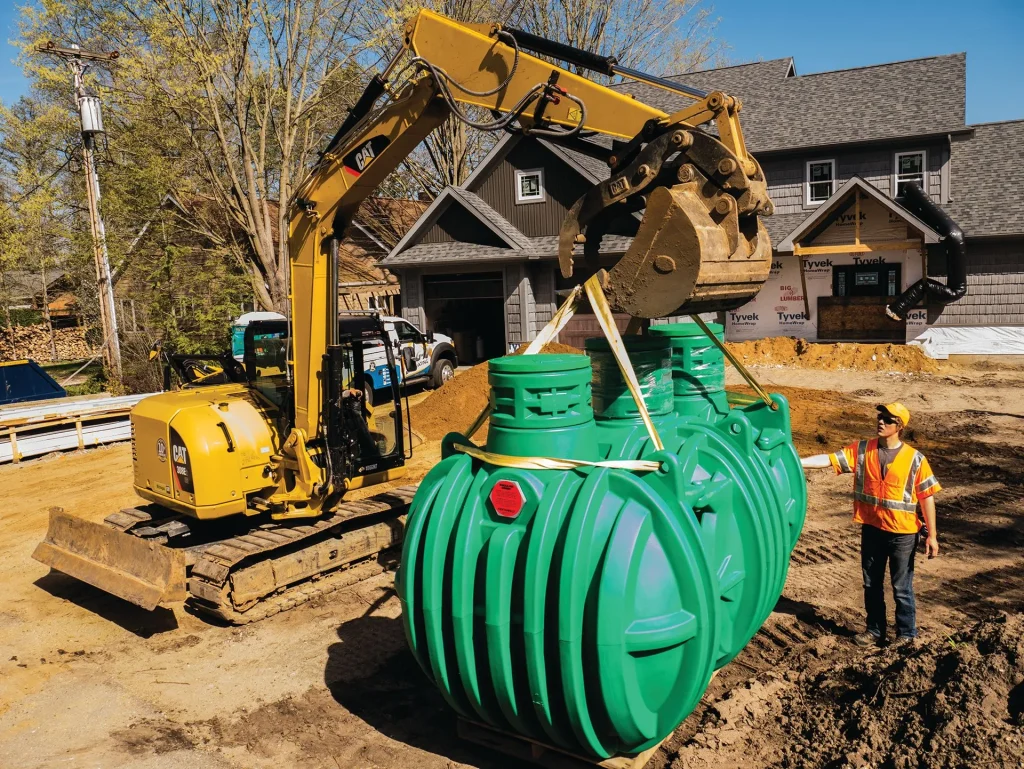
When people talk about building a greener home, the conversation usually starts with solar panels, insulation, windows, and maybe a heat pump. Wastewater rarely gets the same attention. That is a mistake. A home can be efficient in every visible way and still perform poorly below grade, where water use, waste handling, soil conditions, and long-term maintenance all come together.
That is where the norweco singulair green often enters the discussion. It is typically considered by homeowners, builders, and designers who need an on-site wastewater treatment approach that goes beyond a basic septic arrangement. In practical terms, that means planning for cleaner effluent, tighter site constraints, and a system that fits a broader sustainability strategy rather than simply meeting minimum disposal needs.
I have seen projects where wastewater planning happened late, almost as an afterthought, and it always made the rest of the home harder to design. Driveways got shifted. Landscape budgets swelled. Rainwater plans had to be reworked. In one rural build, the owner had already chosen the garage placement, backup generator pad, well location, and garden terrace before anyone took a hard look at soil and treatment requirements. The result was not a disaster, but it was expensive. A few early decisions boxed the site into a much narrower set of options.
A greener home works best when all the systems talk to each other. Wastewater should be norweco singulair green part of that conversation from the first sketch.
Why wastewater belongs in whole-home planning
Eco-friendly home planning is not just about reducing utility bills. It is about making a house function well with fewer unintended consequences over the next twenty to thirty years. Water is central to that. Every gallon used indoors has to go somewhere, and that destination influences land use, operating costs, permitting, and environmental risk.
A conventional septic system can be perfectly appropriate in many settings, especially where soils are favorable, lot sizes are generous, and usage patterns are predictable. But not every site offers those conditions. Small lots, variable seasonal occupancy, shallow groundwater, poor percolation, waterfront rules, and stricter local performance standards can all push a project toward more advanced treatment.
That is where homeowners often start researching the Norweco Singulair Green line. The appeal is not just the treatment unit itself. It is the possibility of integrating wastewater treatment into a more deliberate site plan, one that supports lower impact living without pretending that every property is the same.
The best projects begin with a clear question: what is this home trying to do? A full-time family residence on a wooded lot has different demands than a lake cabin used on weekends, or an accessory dwelling behind an older farmhouse. Occupancy swings, fixture count, laundry habits, guest load, and maintenance access all matter. Green planning gets practical very quickly.
What the Norweco Singulair Green is really solving
At the broadest level, systems in this category are designed to treat wastewater more thoroughly than a basic septic tank alone. That distinction matters because disposal fields and soil absorption areas work best when the incoming effluent is consistent and relatively clean. Better treatment upstream can expand planning options downstream, though it never removes the need for proper design, permitting, or professional sizing.
Homeowners are sometimes surprised to learn that advanced treatment does not automatically mean a tiny footprint or zero oversight. It usually means a different balance of responsibilities. You may gain flexibility on a constrained lot, or satisfy local treatment requirements that a conventional setup would struggle to meet, but you also take on equipment, servicing, and a closer relationship with system performance.
That trade-off is not a negative. It is just real life. Sustainable systems are rarely maintenance-free. They are managed systems.
I tend to frame it this way for clients and homeowners: if you are willing to treat wastewater like an important part of your mechanical infrastructure, similar in seriousness to your HVAC equipment or well pump, advanced treatment can be a very sensible path. If you want to install something and forget it forever, then your planning conversation needs to be honest from the start.
Planning starts with the site, not the brochure
Manufacturers matter, and system capabilities matter, but the land gets the first vote. Before anyone falls in love with a product, the property needs a disciplined evaluation. I have watched good projects go sideways because people assumed a treatment unit alone would solve every limitation. It will not.
Slope, native soils, drainage patterns, seasonal wetness, rock depth, reserve area requirements, setbacks from wells and property lines, and local code expectations all shape what is possible. The house location itself also matters more than people expect. A twenty-foot shift in the building pad can make room for better maintenance access, a simpler effluent route, or a more workable dispersal area.
On wooded lots, tree preservation becomes part of the equation. A homeowner may want to save mature oaks, maintain a naturalized back yard, and avoid visible infrastructure. Those are reasonable goals, but roots, trench alignments, and service access have to be respected. An elegant site plan usually comes from compromise rather than from insisting on every preference at once.
For that reason, one of the smartest early meetings is not with a kitchen designer or even a solar installer. It is with the local wastewater designer, engineer, or installer who knows how your jurisdiction interprets the rules and what local soils tend to do in wet and dry seasons.
Where eco-friendly goals and wastewater design actually intersect
People often use the word sustainable loosely. In wastewater planning, it has a more grounded meaning. It means reducing the chance of untreated or poorly treated discharge, protecting groundwater, matching treatment level to site sensitivity, and choosing a system the homeowner can realistically operate over time.
An eco-friendly home system plan should ask several questions at once. How much water will the house use? How concentrated will the wastewater be? Are there seasonal occupancy peaks? Will low-flow fixtures reduce flow enough to affect performance patterns? Is there a gray area between conservation and underloading? These are not theoretical concerns. Homes today often use less water than older houses, but advanced treatment systems still need wastewater input within a reasonable operating range.
This is one reason whole-home planning matters. If a house includes water-saving fixtures, Energy Star appliances, and leak monitoring, that is usually a good thing. But the wastewater designer should know that from the beginning. A home that uses far less water than expected may not behave like an older benchmark house with the same bedroom count.
Likewise, if the property also includes rain gardens, permeable paving, cisterns, and regraded stormwater controls, those features should be coordinated so one water strategy does not accidentally interfere with another. I have seen well-intended swales and roof runoff diversions routed too close to treatment areas. That kind of conflict is avoidable if the systems are planned together.
Budgeting beyond the install price
One of the most common mistakes in green home planning is comparing systems only by upfront cost. The number on the proposal is important, but it is not the whole story. The better question is what the system will cost to own, support, and preserve over a decade or two.
With a system like the norweco singulair green, long-term value depends on several moving parts: installation complexity, electrical use, service expectations, inspection frequency, component replacement cycles, and how well the dispersal field is protected by the quality of treated effluent. In some situations, paying more up front for stronger treatment and better site fit can save money later by avoiding difficult redesigns or field stress. In other situations, a simpler approved system may be the smarter financial choice.
The right answer depends on context. A flat, roomy parcel with cooperative soils does not always need the same solution as a sloped lot near water or a narrow infill property with limited reserve area. Homeowners do themselves a favor when they stop asking, “What is the cheapest system?” and instead ask, “What is the least risky system for this site and this style of living?”
That second question usually leads to better decisions.
The maintenance reality most brochures underplay
Every wastewater system needs care. Some need less. Some need more. Advanced treatment generally asks the owner to be more engaged, either directly or through a service contract. That is not a flaw. It is simply part of using equipment that does more work.
Routine oversight protects performance. It catches wear before it becomes failure. It helps preserve downstream components that are far more expensive to replace than a service visit or a small part. From an environmental standpoint, maintenance is not an optional extra, it is part of the treatment process.
A practical homeowner planning session should cover at least these points:
- Who will service the system locally, and how often
- What alarms or controls the owner needs to understand
- How power interruptions affect operation
- What household products or habits should be avoided
- What records should be kept for permits, resale, and warranty support
That list may sound obvious, but many owners never receive a clear explanation after installation. A system cannot be treated like a mystery box in the yard. The best outcomes happen when installers and service providers speak plainly and homeowners know what normal operation looks like.
I have found that buyers are usually more comfortable with this once it is compared to other home equipment. Nobody expects a boiler, well tank, or filtration unit to run forever without inspection. Wastewater treatment deserves the same mindset.
Designing the house to help the system
This is where good planning becomes surprisingly tangible. The home itself can make the wastewater system easier or harder to manage. Plumbing layout, fixture selection, occupancy assumptions, and even room placement can affect performance and cost.
A compact plumbing core can reduce installation complexity and simplify future work. Sensible fixture counts help align design flow with actual use. Avoiding unnecessary water spikes, such as running several major water uses at once every day, can improve consistency. If the house is intended for short-term rentals or frequent guest turnover, that should be acknowledged early because wastewater patterns in those homes can be erratic.
Laundry is another point worth discussing. One large family doing multiple loads on Saturday creates a different loading pattern than a retired couple washing small loads through the week. Neither is automatically a problem, but understanding patterns helps the designer anticipate real operation rather than idealized averages.
Kitchen habits matter too. The greenest wastewater system still struggles if large amounts of grease, harsh cleaners, wipes, or non-biodegradable solids enter the plumbing. Sustainable design is partly about equipment, and partly about behavior.
Energy use, resilience, and backup planning
Many homeowners pursuing eco-friendly design care deeply about energy consumption and power resilience. That is reasonable, especially in rural areas where outages may last longer. Wastewater planning should be folded into those conversations.
If a treatment system depends on electrical components, then backup power deserves discussion. The answer does not have to be elaborate. For some properties, understanding safe outage duration and recovery procedure may be enough. For others, especially full-time homes with well pumps, refrigeration, and electric heating equipment, a standby generator or carefully designed battery strategy may be part of the resilience plan.
There is a broader lesson here. Green planning is not just about efficiency under perfect conditions. It is also about graceful performance under imperfect ones. Storms happen. Occupancy changes. Equipment ages. Service companies get busy. The more realistic the plan, the more durable the sustainability claim.
Permitting and local rules are not side issues
No two jurisdictions treat on-site wastewater exactly the same way. Some are straightforward and well documented. Others rely heavily on local interpretation, seasonal site visits, and case-by-case review. That is why homeowners should resist the temptation to generalize from internet forums or projects in another county.
A wastewater system that is accepted in one area may require additional design work in another. Setbacks, effluent standards, service contract requirements, reserve area expectations, and discharge or dispersal rules can all vary. Waterfront and environmentally sensitive areas tend to bring tighter scrutiny.
For homeowners, the practical takeaway is simple. Use local expertise early. That means a qualified site evaluator, designer, engineer, or installer who regularly works with your permitting office. It also means not locking in the house footprint, driveway, and landscape concept until the wastewater path is genuinely understood.
When that sequence is reversed, projects become expensive for no good reason.
Common planning mistakes I see again and again
The same errors show up in otherwise thoughtful green home projects. None of them are dramatic on their own, but together they create friction, delay, and unnecessary cost.
- Waiting too long to evaluate soils and site constraints
- Assuming a premium treatment unit eliminates all other design limits
- Ignoring maintenance access in favor of cleaner-looking landscaping
- Underestimating long-term service and ownership responsibilities
- Treating water conservation choices as separate from wastewater design
Each of those can be fixed with better coordination. The cure is not more complexity. It is earlier communication among the people making real decisions, the owner, builder, designer, wastewater professional, and sometimes the landscape planner.
I once worked around a site where the owner wanted a beautifully restored meadow behind the home, complete with native grasses and pollinator plantings. It was a good goal, and the final result looked excellent. But the first version of the landscape plan placed deep-rooting species and hardscape elements in ways that would have complicated future service access and disturbed the intended wastewater area. The solution was not to abandon the ecological planting strategy. It was to revise it around the infrastructure. That is what integrated planning looks like in practice.
Matching the system to the homeowner, not just the lot
This may be the most overlooked piece of all. A technically suitable system can still be the wrong choice if it does not fit the owner’s habits, expectations, and willingness to engage with maintenance.
Some owners are meticulous. They keep records, schedule service, monitor alarms, and want to understand how every system in the house works. Others are busy, travel often, or simply do not want one more piece of equipment to think about. Neither attitude is wrong, but they point toward different planning priorities.
A professional should be candid about that. If the system performs best with regular observation and service continuity, the owner should hear that plainly before committing. Green home planning is not improved by pretending every owner will become a mechanical steward. Good design respects human behavior.
The same goes for resale. If you expect to sell within a few years, think about how the system will be explained to buyers. Documentation, service history, as-built drawings, and permit records matter. They reduce uncertainty and help the next owner inherit a functioning setup rather than a puzzle.
Making room for the invisible systems
Some of the best eco-friendly homes I have seen are not flashy. They do not necessarily announce themselves from the road. What they do have is discipline. The owners and design team made room for the invisible systems, not just the photogenic ones.
They protected reserve areas. They thought about truck access and future service. They coordinated roof drainage, well placement, grading, and wastewater dispersal. They selected efficient fixtures without assuming less water solves every problem. They budgeted for maintenance, not just installation. Most of all, they accepted that sustainability is a chain of decisions, not a collection of gadgets.
The norweco singulair green can fit well within that kind of project when the site, regulations, and homeowner expectations align. It is not a magic product, and it should not be sold as one. It is part of a larger planning framework that balances treatment performance, environmental responsibility, property constraints, and practical ownership.
That framing matters because truly sustainable homes are rarely built from isolated choices. They come from coordination. If wastewater enters the conversation early enough, the result is often better architecture, fewer compromises on the site, and a more resilient house overall.
For anyone considering this path, the smartest next step is not chasing a generic answer online. It is building a local team that understands the land, the code, and the daily reality of ownership. Once that happens, wastewater stops being a hidden liability and starts becoming what it should have been all along, a deliberate part of responsible home design.
Excavating New Jersey LLC
406 County Rd 565, Wantage, NJ 07461, United States
+1 973-791-4284
FAQ About norweco singulair green
How much does a NORWECO septic system cost?
The installed cost depends on the selected unit, engineering, site access, excavation, electrical work, disposal-field design and required approvals. A tank-only price is not a complete installation quote. Ask Excavating New Jersey LLC for a site-specific, itemized estimate that also explains ongoing service costs.
How does a Norweco septic system work?
The Singulair Green uses pretreatment, aeration, clarification and filtration to treat domestic wastewater. In the aeration chamber, oxygen supports bacteria that break down organic material. The Bio-Kinetic unit provides further filtration and flow equalization. Final effluent disposal must follow the property's approved design and applicable requirements.
What is the average lifespan of a septic system?
There is no guaranteed lifespan for every system. Design, installation, soil conditions, wastewater loading and regular maintenance all matter, and mechanical parts may need replacement before the tank. For a Singulair Green system, follow the manufacturer's service schedule and have a qualified provider assess its condition and pumping needs.